








5,000+ Learners Certified
Certified Security ChampionTM
Transform your career and safeguard your organization. Master cutting-edge security practices, slash vulnerability costs by 50%, and boost team efficiency. Become a Certified Security Champion today.
 Self-paced learning
 Browser based lab access
 24/7 Instructor support
 Self-paced learning mode
Browser based lab access
24/7 Instructor support
Self-paced learning mode
Browser based lab access
24/7 Instructor support

Trusted by top companies across industries, empowering thousands of professionals worldwide. Join the ranks of security leaders
Course Chapters
Prerequisites
- Understanding of developing or testing web applications
- Foundational knowledge of software development life cycle
Learning objectives
- Building solid foundations that are required to understand the application security landscape
- Building foundational knowledge required to work with infrastructure security
- Understanding the wide range of skills and abilities that are required to be a security champion
- Embedding security while creating, running, and maintaining modern applications
- Gaining abilities to apply practical application security skills in a real-world environment
- Gaining skills and knowledge to liaise with security and other departments to make everyone responsible for the security
- Gaining analytical abilities to observe and advise various security controls, and solutions to secure DevOps
- Understanding the fundamentals of assessing and managing risks
Introduction to the course
- Course Introduction (About the course, syllabus, and how to approach it)
- About Certification and How to approach it
- Lab Environment
- Course support (Mattermost)
- Who is a Security Champion and Why do we need them?
- Who Can Become a Security Champion?
- Security Champions’ Benefits and Challenges
- Security Champions Program Workflow
Chapter 1: AppSec Basics
- Introduction to application security
- The need for application security
- What is application security
- Using frameworks securely
- HTTP Security Basics
- HTTP Requests
- HTTP Responses
- HTTP Status Codes
- Introduction to tools of the trade
- Code Analyzers
- Dynamic Scanning Tools
- Application Proxies
- OWASP Top 10 Basics
- Broken access control
- Cryptographic failures
- Injection
- Insecure design
- Security misconfiguration
- Vulnerable and outdated components
- Identification and authentication failures
- Software and data integrity failures
- Security logging and monitoring failures
- Server side request forgery
- Risks beyond the top 10
- Cross-Site Scripting (XSS)
- Insecure Direct Object Reference (IDOR)
- Unvalidated Requests and Forwards
- XML External Entities (XXE)
- Cross-Site Request Forgery (CSRF)
- Hands-On Labs
- Working with Burp Suite
- SQL Injection Fundamentals
- Cross Site Scripting (XSS)
- Cross Site Request Forgery (CSRF)
- Exploiting Server Side Request Forgery (SSRF)
- Exploiting Command Injection
- Insecure Direct Object References Fundamentals
- Security Misconfigurations
- Open Redirect Vulnerabilities
Chapter 2: Secure Code Review
- What is Secure Code Review?
- How to approach Secure code review?
- Introduction to tools of the trade
- Reviewing the code for security defences
- Input validation
- Output encoding
- Defending Authentication
- Defending Authorization
- Security Misconfigurations
- OWASP ASVS Framework
- Understanding OWASP ASVS
- Using ASVS to Secure Applications & APIs
- Creating Checklists with OWASP ASVS
- Hands-on labs
- Input validation using industry best practices and regex
- Reviewing code for SQL Injection and Fixing with Parameterized queries
- Reviewing for XSS and Implementing Output encoding to prevent client-side attacks like XSS
Chapter 3: Primer on Risk Management
- Introduction to Risk Management
- Risk Management workflow
- Risk Identification
- Identifying compliance risks
- Identifying security design issues
- Identifying vulnerabilities
- Understanding the current threat landscape
- Risk Assessment Methodologies
- Risk Treatment
- How to mitigate risks
- How to avoid risks
- How to transfer risks
- How to accept risks
- Ensuring Business Continuity While Reducing Risk
Chapter 4: Threat Modeling
- What is Threat Modelling?
- Why Threat Model?
- Threat modeling vs. Other Security Practices
- Threat modeling and security requirements
- Diagramming for Threat Modeling
- Exploring the STRIDE Model
- Spoofing
- Tampering
- Repudiation
- Information Disclosure
- Denial of Service
- Elevation of Privilege
- STRIDE threat examples
- Threat Rating
- DREAD
- OWASP Risk Rating
- Modern threat modeling approaches for Agile and DevOps
- Hands-On Labs
- Creating Data Flow Diagrams
- Threat modeling for a Password Reset workflow
- Threat rating using OWASP risk rating methodology
- Writing Security Requirements for Threat Modeling
Chapter 5: DevSecOps Basics
- DevOps Building Blocks – People, Process, and Technology
- DevOps Principles – Culture, Automation, Measurement and Sharing (CAMS)
- Benefits of DevOps – Speed, Reliability, Availability, Scalability, Automation, Cost, and Visibility
- Overview of the DevSecOps critical toolchain
- Repository management tools
- Continuous Integration and Continuous Deployment tools
- Artifact Management Tools
- Infrastructure as Code (IaC) tools
- Distributed and Scalable Infrastructure
- Monitoring and Logging tools
- Communication and sharing tools
- Common Challenges faced when using the DevOps principles
- Secure SDLC
- Overview of secure SDLC and CI/CD
- Review of security activities in secure SDLC
- Continuous Integration and Continuous Deployment
- Hands-On Labs
- Integrating Software Component Analysis (SCA) in CI/CD pipeline
- Working with docker commands
- Managing data in docker
- CI/CD with Gitlab
- Integrating Software Component Analysis (SCA) in CI/CD pipeline
- Integrating Static Application Security Testing (SAST) in CI/CD pipeline
- Integrating Dynamic Application Security Testing (DAST) in CI/CD pipeline
Chapter 6: Infrastructure as Code and Its Security
- Infrastructure as Code and its benefits
- Platform + Infrastructure Definition + Configuration Management
- Introduction to Ansible
- Benefits of Ansible
- Modules, tasks, roles, and Playbooks
- Tools and Services that help to achieve IaC
- Hands-On Labs
- Working with Ansible
- Using Ansible to harden Infrastructure
- Working with Ansible Playbooks
Chapter 7: Agile Communications, Collaboration, and Soft Skills
- The need for Agile communication and collaboration
- Handling Conflicting Priorities Among Teams
- Exploring conflict management framework
- Exploring types and patterns of conflicts
- Deescalating levels of conflict
- Holding people accountable for security
- Staying empathetic and assertive
- Security Champion’s Skills and Traits
Practical DevSecOps Certification Process
- After completing the course, you can schedule the CSC exam on your preferred date.
- Process of achieving Practical DevSecOps CSC Certification can be found here.

What you’ll learn from the Certified
Security Champion Certification Course?
Security Fundamentals
- Learn about Application security.
- Defend against OWASP Top 10 threats.
- Secure web development practices.
Vulnerability Management
- Identify SQL Injection, XSS, and code flaws.
- Fix vulnerabilities in DevSecOps pipelines.
- Apply real-world protection techniques.
Security Frameworks
- Implement industry-standard frameworks.
- Apply agile security techniques.
- Strengthen organizational threat modeling.
Security Integration
- Practice secure code review and risk management.
- Configure CI/CD security tools.
- Protect development pipelines effectively.
DevSecOps Fundamentals
- Overview of the DevSecOps toolchain.
- Reduce remediation costs by 50%.
- Cut security response time by 75%.
Advanced Security Practices
- Apply Infrastructure as Code security.
- Implement secure SDLC practices.
- Develop soft skills that drive team alignment.
Benefits of Enrolling in the Practical DevSecOps Courses
Master today’s security challenges with our updated curriculum and hands-on labs, preparing you for real-world threats.
Browser-based lab
Access all tools and exercise directly in your browser. Enjoy a practical, hassle-free learning experience - no downloads or installations needed!
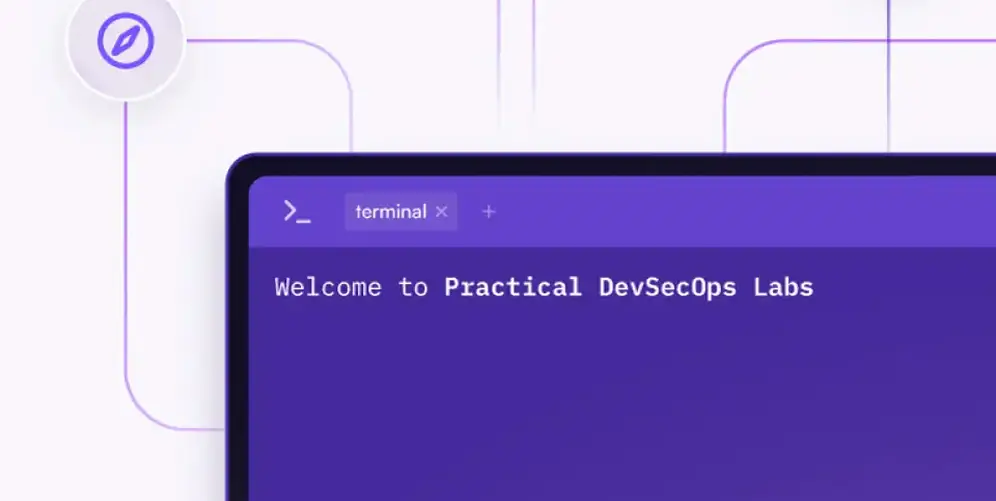
Explore commands with our new AI-Powered 'Explain to me' feature
Gain detailed insights into any command with our AI-powered feature, designed to enhance your understanding and accelerate your learning.
Master cutting-edge tools
Enhance your security skills through hands-on experience with the latest industry tools in our labs. Get equipped for real-world applications and stay ahead of industry changes.

Hear from our learners
Explore the global impact of our Practical DevSecOps Certifications through our learners’ testimonials.








I am currently working as a working student at an IT company, so I am a beginner in this field.
I appreciated that the Practical DevSecOps team delivered on their promises, particularly that the CCSE training and exam are suitable…


The CCSE course from Practical DevSecOps was a truly positive experience, especially considering my extensive 15 years in IT and Security, and the numerous courses I’ve attended.
It stands out as one of the best in terms…

I recently completed my CCSE certification from Practical DevSecOps, and it was a fantastic experience.
The course content is well-structured and highly engaging. I really appreciated…
Frequently asked questions
What are the prerequisites required before enrolling in the Certified Security Champion Course?
You should have a foundational understanding of the software development life cycle (SDLC) and basic knowledge of developing or testing web applications.
What's included in the Security Champion course package?
3-years of access to the videos, 30 days of browser-based labs, PDF Manual, 24/7 student support, and one exam attempt.
Do the labs for the course start immediately after enrollment?
No, the course doesn’t start automatically upon enrollment. Students will get an opportunity to pick the course start date after the purchase, from which the course access if provided.
Does the course come with CPE points?
Yes, the course comes with 36 hours of CPE points
What is the exam format?
It’s a task-oriented exam where you will have to solve 5 challenges in 6 hours and have an additional 24 hours to complete the report and submit it for evaluation.
Should I go to an exam center, or is the exam online?
Yes, it is an online exam. You can take the exam from the comfort of your home or office.
What Earning Power Does the Security Champion Course Unlock?
What we have observed is that the application security market is projected to grow from $13 billion in 2025 to over $41.8 billion by 2032. Security professionals without certification earn $85,000–$100,000, while Certified Security Champions (CSC) earn $115,000–$136,000.
Organizations prioritize certified team members who can build security into code from day one, not just patch it later. Developers, QA engineers, and even product managers are now moving into Security Champion roles after CSC certification, proving their value by preventing vulnerabilities early and reducing the cost of rework, breaches, and technical debt across the pipeline.
How long is the Security Champion Certification Valid?
Our Security Champion Certification is a lifetime credential, so you won’t need to worry about renewals. Once you’ve earned it, your certification will remain valid throughout your career.
Unmatched practical focus
70% hands-on labs for Mastering real-world scenario’s.
Expert-crafted curriculum
Get real-world insights from the experienced Security Experts.
Practical exam
Take a 6-hour examination to show what you have learned.
24/7 expert support
Future-Proof Your Career with Real Security Skills
Unlock your potential as a Security Champion! The Certified Security Champion Course equips you with job-ready skills that opens the door to exciting opportunities and challenges.